ProjectsYosekiritsu
Yosekiritsu
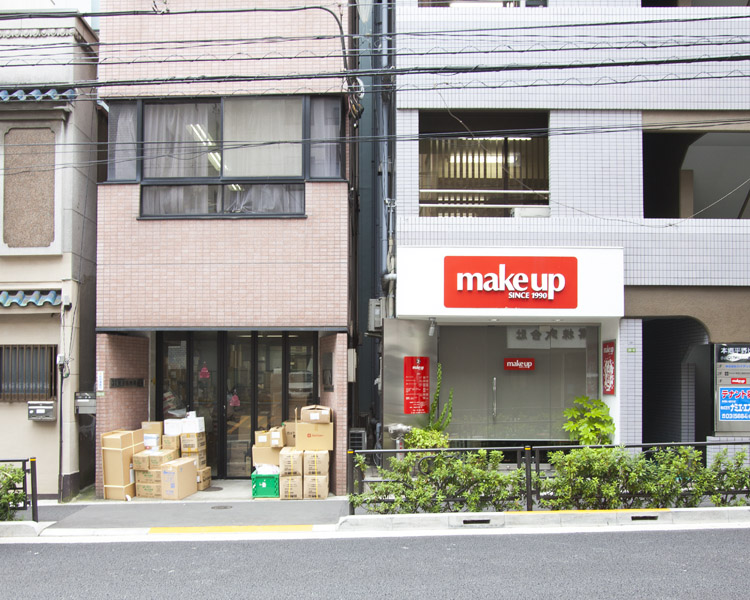
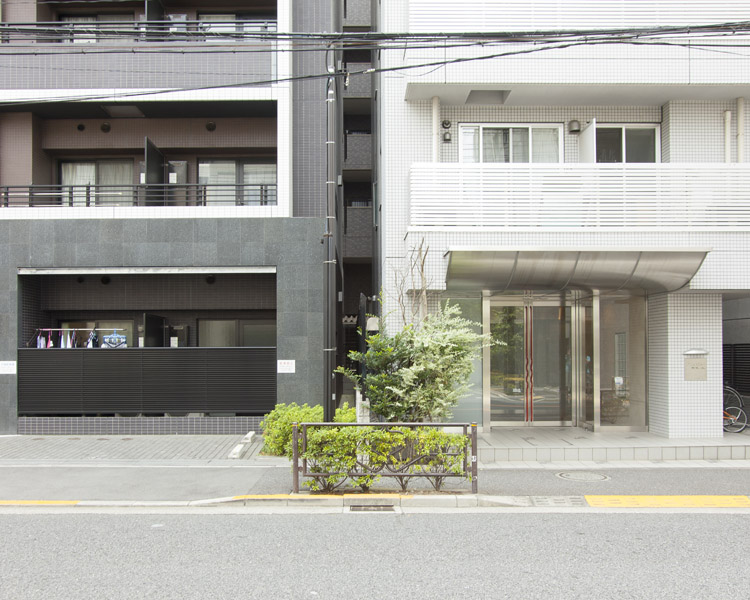
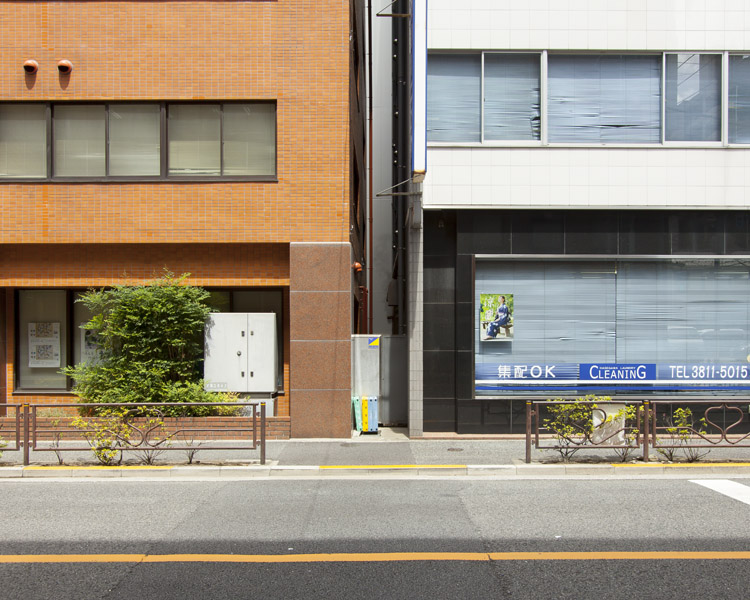
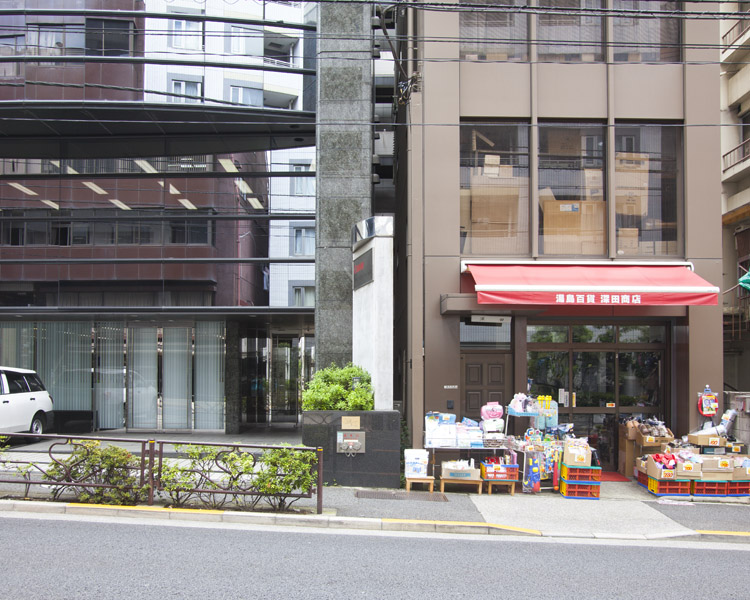
This project in Tokyo takes Yosekiritsu and Kenpeiritsu, the building ratios that govern volume and footprint on each plot, as a way to read the city's density.
Each block of land in Japan has two ratios called Yosekiritsu and Kenpeiritsu, which determine the permitted total size of a house and the footprint it may occupy on the land.
Yosekiritsu defines the total building volume in relation to the plot, expressed as a percentage. Kenpeiritsu refers to the building-to-land coverage ratio.
Land in central Tokyo generally has higher ratios than outer residential areas such as Setagaya or Denenchofu. Category 1 and 2 low-rise residential districts typically maintain lower ratios and lower density.
There are also regulations governing the distance between buildings and boundaries. In Japan, houses are commonly separated structures so that, in the event of an earthquake, neighbouring buildings do not strike one another.
Manuel Pinar, Tokyo, 2015